

How Acupuncture Supports Fertility: Our Personalized Fertility Approach
By Dr. Aaron Cashman (with help from Dr. Mary Gagliardi) | May 17, 2026
Just about every day at Mind-Body Acupuncture, Dr. Mary, Dr. Lauren, and I work with individuals and couples who are hoping to get pregnant—often for the first time. In fact, I began working with fertility patients nearly 20 years ago and have had the opportunity to refine my approach over the years to help improve fertility outcomes.
First, We Listen Closely
This is vital for any healthcare provider, yet it is often overlooked. We want to know your story. We want to understand how you arrived at the point where you decided to seek support for your fertility journey.
We take time to review your full health history and explore possible contributing factors, including genetic and environmental influences, structural or anatomical concerns, past or lingering infections, immune-system-related issues, and any other relevant information that may help us better understand the root of the issue through both the lens of East Asian Medicine and Modern Medicine.
Often, people come to us after seeing their primary care physician about fertility concerns, and sometimes after consulting with a reproductive endocrinologist (RE). In many cases, patients seek acupuncture and herbal support after undergoing extensive testing, bloodwork, and consultations with multiple practitioners. We want to know all the details. We discuss treatment goals, timelines, and ideal outcomes.
This first stage is about gathering information through communication, medical history, and lab results. Our goal is to support you as effectively as possible, so we listen carefully to better understand the factors that may be contributing to the need for fertility support.
Importantly, we also ask about nutrition and lifestyle, sleep quality, digestion, inflammation, stress levels, and daily routines.
For example, we want to know whether you work night shifts, whether your diet feels nourishing and balanced, or whether adjustments may be beneficial. We want to know if stress from life or work is keeping you awake at night—or if, instead, you often feel fatigued and sleep excessively. We ask about exercise habits as well. When it comes to fertility, moderation and balance in lifestyle and nutrition often produce the best results.
Second, We Identify the Primary Imbalance
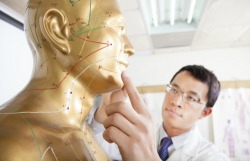
After gathering information during the initial intake, we begin assessing things through the lens of East Asian Medicine.
We may ask to examine your tongue as part of our diagnostic process. This helps with what is known as pattern differentiation. For example:
- Is the tongue pale, red, or purple?
- Is the coating thin or thick?
- Are there cracks present?
We also assess the pulse. In East Asian Medicine, there are traditionally 28 pulse qualities that help us better understand which channels and organ systems may need support and rebalancing.
Through the lens of East Asian Medicine (EAM), we identify the chief or primary imbalance—as well as any secondary imbalances—that may need to be corrected in order to restore balance within the system.
For me personally, identifying the imbalance through the EAM lens is of central importance. At the same time, I always take into account the complete picture, including communication with each patient, lab results, medical history, and all other relevant factors.
Third, We Identify Constitutional Tendencies
This third step builds upon the second.
In addition to identifying the most important imbalance that may need correction, we also look at a person’s constitutional tendency in order to better support them throughout the process.
In East Asian Medicine, the five elements—Earth, Water, Fire, Metal, and Wood—are each associated with aspects of an individual’s constitutional makeup.
In other words, each of us tends to align more strongly with one or more of these elements. This alignment includes both the strengths of that element and the tendencies that may make us more susceptible to imbalance.
In the book Making Babies, acupuncturist Jill Blakeway and Sami David, a reproductive endocrinologist, discuss these constitutional patterns not strictly in terms of the five elements, but rather through their most common imbalance presentations. They describe five common “Fertility Types,” which correspond closely with the five-element framework:
- The Tired Type
- The Dry Type
- The Stuck Type
- The Pale Type
- The Waterlogged Type
Understanding these tendencies can help us create a more personalized and supportive treatment strategy.
Finally, We Create a Personalized Treatment Plan
Once we have gathered all necessary information, identified your EAM pattern(s), and understood your constitutional tendencies, we bring everything together to create an individualized treatment plan.
Treatment plans often include:
- Acupuncture recommendations
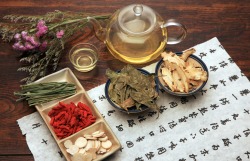
- Herbal medicine suggestions
- Nutritional support
- Supplements
- Lifestyle modifications
Each visit is tailored to your specific needs on that particular day while still keeping your broader long-term goals in mind. We also continue adjusting the plan as new information arises throughout the process.
The fertility journey can sometimes feel heavy, emotional, and overwhelming. Please remember—you are not alone. We are here to help, and we are truly honored to support you through the process.
Thank you for taking the time to read this.
Yours in Health and Vitality,
Dr. Aaron, Dr. Mary and Dr. Lauren